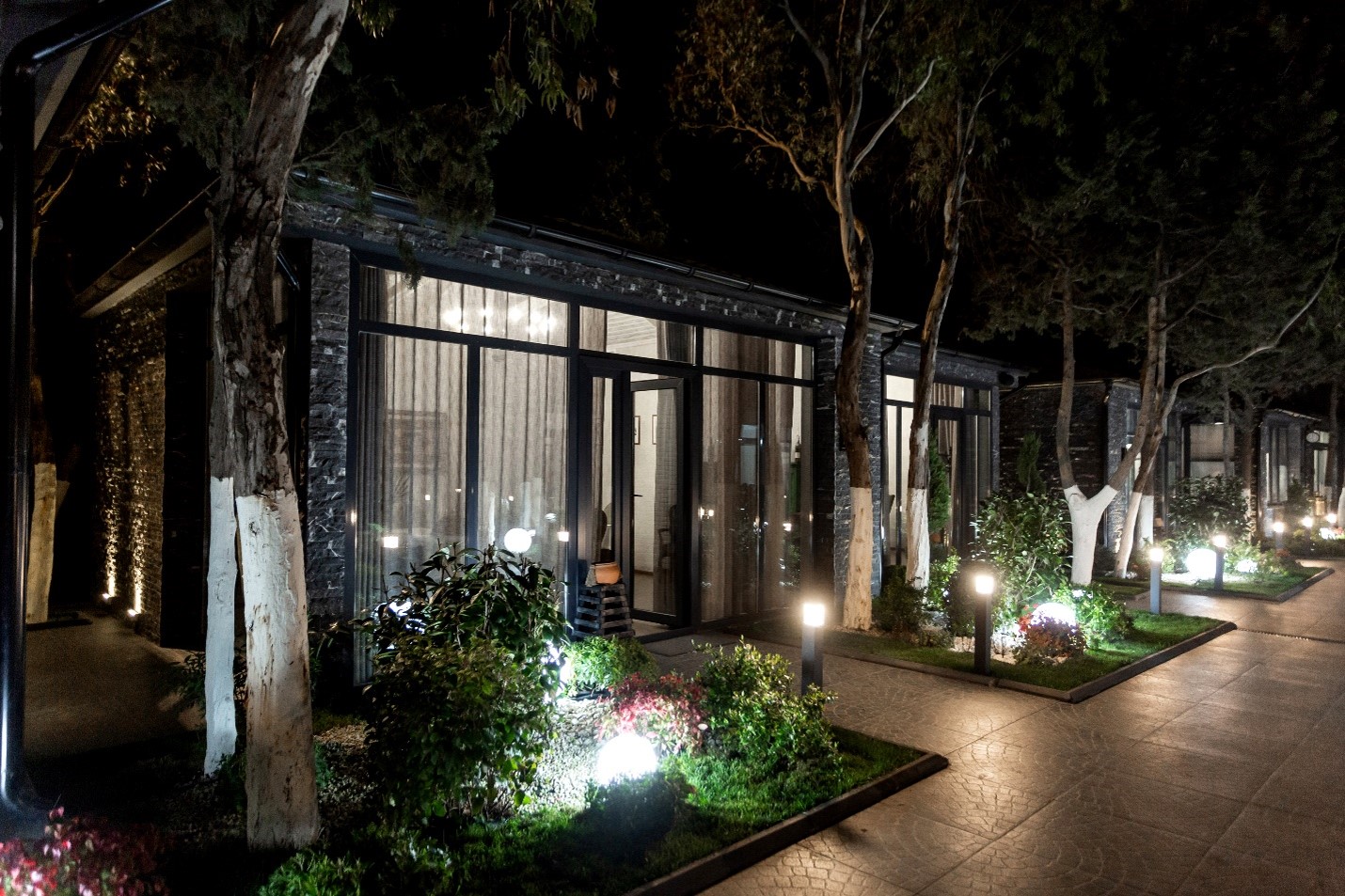
Outdoor lighting is usually judged by the moment it switches on at night. People notice the glow, the shadows, how the house suddenly feels different. What they do not usually see is everything that happens before that moment. The good work, the kind that holds up over time, is rarely about fixtures alone. It is a sequence of decisions made in order, and each one quietly affects the next. Even something like Holiday lighting installation services in Katy Texas, ends up looking effortless only because the groundwork was anything but.
Step 1: Reading the Property in Daylight
The process always starts in daylight and not in a rushed or overly technical way. It is more like walking the property and paying attention to how it behaves when nobody is trying to improve it yet. Where the structure naturally stands out, where the yard feels open, where the eye pauses without being told to. Some homes have obvious character; others need a bit of interpretation. Either way, this first walk usually tells you more than any sketch or plan ever could, and it quietly shapes everything that follows.
Step 2: Defining What the Lighting Should Actually Do
Once you understand the space, the next question is simple but surprisingly easy to get wrong. What is the lighting actually supposed to do here? Not in a brochure sense, but in a practical one. Some homes need safer movement from the driveway to the door. Some need warmth because everything feels a bit flat after sunset. Others are really about making the architecture readable at night. When we handle holiday lighting installation services in Katy, Texas, this is usually where expectations get aligned with reality, because intention matters more than volume.
Step 3: Picking What Deserves Attention
This is where experience starts to show itself. Not everything should be lit, even if it could be. In fact, trying to light everything is usually what makes a property feel noisy at night. The better approach is a bit more selective. A strong tree with shape, a clean entry, and a wall that actually benefits from texture. The rest supports those choices rather than competing with them. It is a bit like editing a photograph, except the subject is a real space and there is no undo button once it is installed.
Step 4: Building the Layers
Once the focal points are clear, lighting starts to behave like a system instead of individual pieces. Path lights take care of movement without calling attention to themselves. Uplighting gives structure to trees and architecture. Broader wash lighting keeps larger surfaces from disappearing completely. In projects involving outdoor lighting installation services in Houston TX, this layering becomes even more important because larger properties can feel disconnected if everything is treated the same. The goal is not brightness, it is balance, and that distinction matters more than people think.
Step 5: The Technical Work Nobody Notices
After the visual plan comes the part most homeowners never really see, but absolutely benefit from. Fixture selection is not just about appearance; it is about how the material holds up in heat, rain, and time. Wiring paths need to be planned so the system does not fade unevenly or strain in certain sections. Transformers are sized properly so the output stays consistent. None of this is dramatic, but it is what keeps a system from slowly degrading after the first season. It is the unglamorous part that decides whether the design actually survives contact with reality.
Step 6: Installation and the First Night Test
Once everything is installed, the job is not really finished. The first night usually reveals things that were not obvious during planning. A beam that feels slightly too sharp. A tree that needs a softer spread. A pathway that feels uneven in spacing. This is normal and, honestly, expected. Lighting has a way of behaving differently once full darkness is involved. The adjustment stage is less about fixing mistakes and more about tuning the space until it feels natural, almost like it has always been that way.
Step 7: Bringing Seasonal Lighting Into the Same System
Good outdoor lighting should not fight with seasonal changes. It should support them. That is why systems designed properly can handle additions like Holiday lighting installation services in Katy, Texas, without feeling cluttered or temporary. The base structure already knows where the visual weight sits, so holiday elements can be layered in without disrupting the flow. When that part is done well, you stop noticing the transition and just notice the home.
Step 8: The Final Walkthrough and What Comes After
There is always a final walkthrough, but it is rarely the end of the story. Plants grow, preferences shift slightly, and small adjustments tend to happen over time. A good lighting system is not something frozen in place. It adapts quietly with the property, which is probably the part most people do not expect at the start.
Conclusion
At its core, outdoor lighting is less about equipment and more about judgment. Knowing what to highlight, what to leave alone, and how to make everything feel connected once the sun is gone. When it is done properly, it does not feel like a layer added on top of a home. It just feels like the house finally makes sense at night.
At All About Outdoor Lighting, that is usually the goal we are working toward. Not something flashy or overworked, just lighting that feels right when you pull into the driveway after dark. If you are thinking about upgrading your property or planning seasonal lighting, the easiest next step is a walkthrough. That is usually where the real decisions start to make themselves clear.
FAQs
-
How long does a professional outdoor lighting design process usually take?
It depends on the size and complexity of the property, but most projects move from consultation to installation within a structured, planned timeline. The design phase itself is usually more detailed than people expect.
-
Do I need to redesign my whole yard for outdoor lighting?
No, a good lighting plan works with what is already there. The goal is to enhance existing architecture and landscape, not replace or rebuild it.
-
Why is nighttime testing necessary after installation?
Lighting behaves differently in full darkness than it does in planning. Night testing helps fine-tune brightness, angles, and balance so the final result feels natural.
-
Can seasonal lighting be added to an existing outdoor lighting system?
Yes, if the base system is designed properly, seasonal lighting can be layered in without disrupting the structure or visual balance.
-
What makes a professionally designed lighting system different from DIY setups?
It comes down to planning, layering, and technical execution. Professional systems are designed to stay balanced, consistent, and durable over time, not just look good on day one.